
public
Unveiling the psychology of gambling in casinos
The Allure of Risk
The thrill of gambling in casinos often stems from the allure of risk. When individuals step into a casino, they are enveloped in an environment that encourages them to take chances. The bright lights, vibrant sounds, and the anticipation of potential winnings create an electric atmosphere that heightens emotions. This sensory overload triggers a psychological response that can be both exhilarating and addictive, often leading players to seek out the best online casino australia for an even more thrilling experience. The excitement of possibly winning large sums of money makes risk-taking seem not only acceptable but desirable, drawing players into a cycle of engagement that can be hard to break.
Additionally, the concept of risk is intricately tied to human psychology. Many individuals are inherently attracted to the unpredictable outcomes that gambling offers. This attraction can be explained through the lens of behavioral economics, where the potential for reward often outweighs the apprehension of loss. Cognitive biases, such as the illusion of control, further complicate this attraction. Gamblers frequently believe they can influence outcomes or employ strategies that increase their odds, despite the inherent randomness of the games. Such beliefs can lead to an overestimation of one’s abilities, resulting in a cycle of continued play, as individuals seek out the next big win that may never come.
Moreover, the social aspect of gambling cannot be overlooked. Many people venture into casinos with friends or in social groups, finding comfort and camaraderie among fellow gamblers. This social interaction enhances the overall experience and influences decision-making processes. The excitement shared among peers can diminish the perceived risks involved, leading to more impulsive gambling behaviors. As players cheer each other on or share stories of wins, the collective enthusiasm creates a sense of belonging that can further fuel the desire to gamble, reinforcing the cycle of risk-taking behavior within the casino setting.
Emotions and Decision Making
The emotional state of gamblers plays a significant role in their decision-making processes. Many studies indicate that emotions, such as happiness and excitement, can prompt individuals to engage in riskier gambling behaviors. Conversely, negative emotions, like sadness or frustration, can also impact choices, often leading to chasing losses. This phenomenon, known as “loss chasing,” occurs when gamblers attempt to recover lost money by increasing their bets or playing longer than intended. The emotional rollercoaster associated with wins and losses can create a cycle that many find difficult to escape, often leading to deeper financial and emotional consequences.
Moreover, the design of casino games is intentionally crafted to evoke strong emotional responses. For instance, slot machines are designed to provide intermittent rewards, which can trigger feelings of elation when a significant win occurs. This unpredictable payout structure creates a rollercoaster of emotions, making it difficult for gamblers to walk away. The sounds of clinking coins and celebratory music reinforce these feelings, compelling players to push their luck for just one more spin. This manipulation of emotional triggers illustrates how casinos exploit psychological principles to keep players engaged and invested in the experience.

Furthermore, the role of cognitive dissonance in gambling behavior highlights the complex relationship between emotions and decision-making. When gamblers experience a conflict between their beliefs and actions—such as knowing they should stop playing but continuing to gamble—the resulting discomfort can lead to justifications for their behavior. This rationalization can manifest in various ways, such as attributing losses to bad luck rather than poor decision-making. The mind’s ability to create excuses can trap individuals in a cycle of self-deception, complicating their ability to make rational decisions in the heat of the moment.
The Impact of Environment
The physical layout and design of casinos can significantly impact gambling behavior. Casinos are meticulously designed to create an all-encompassing experience that stimulates the senses while minimizing distractions that might lead players to leave. The absence of windows and clocks creates a timeless atmosphere, making it easy for individuals to lose track of time. This carefully curated environment enhances the immersive experience and fosters longer play sessions, which can increase the likelihood of losses over time. The design encourages players to remain within the casino’s walls, where the allure of winning continues to beckon.
Moreover, the strategic placement of games plays a pivotal role in gambling psychology. High-stakes tables are often located near the entrance, enticing players as soon as they enter the casino. Meanwhile, popular slot machines are frequently positioned to draw attention and encourage impulse play. The layout encourages movement through the space, exposing gamblers to various games and increasing the chances of continued spending. This architectural psychology aims to hook players by capitalizing on their curiosity and desire for exploration, effectively prolonging their stay and increasing their financial commitment.
In addition to the physical design, the social environment within casinos is crucial. Players are often surrounded by others who are engaged in gambling, creating an environment of shared excitement and competition. The visible success of others can serve as a motivational factor, prompting individuals to take risks they may otherwise avoid. This social proof can lead to a heightened sense of belonging and engagement, reinforcing a gambler’s decision to participate—a psychological mechanism that can push players beyond their financial limits. The infectious energy of a bustling casino can create an atmosphere where the thrill of winning feels within reach, further entrenching players in their gambling habits.
Gambling Addiction: The Psychological Traps
The phenomenon of gambling addiction is a critical area of study within psychology. Many individuals can find themselves entrapped in a cycle of compulsive gambling that they struggle to break free from. The combination of the brain’s reward system and the emotional highs associated with gambling can create a powerful addiction. Neurotransmitters such as dopamine, which are released during wins, reinforce the gambling behavior, making it increasingly difficult to resist the urge to play. This chemical response is akin to that of substance abuse, highlighting the gravity of gambling addiction as a serious mental health issue that requires attention and intervention.
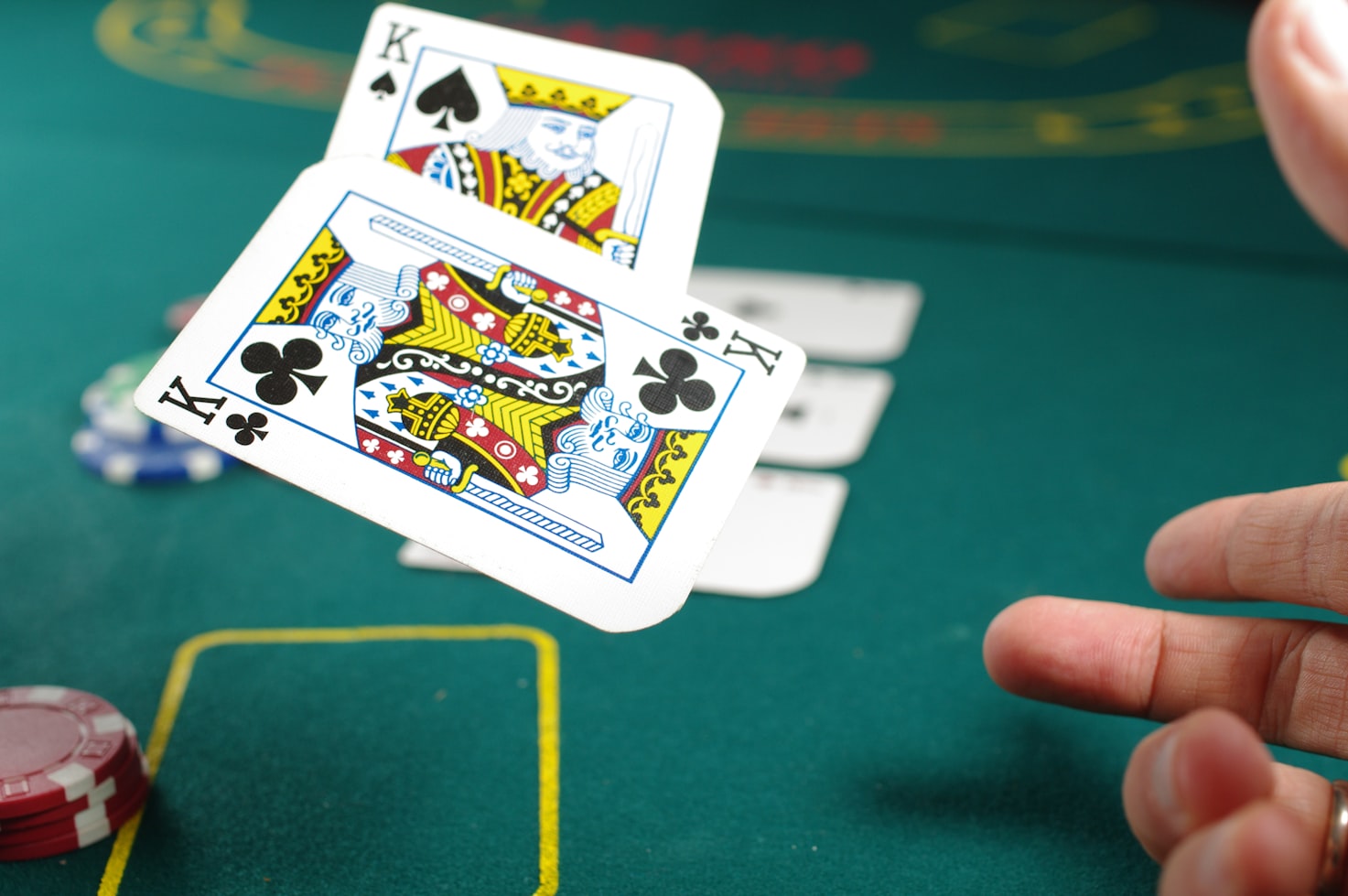
Furthermore, the psychological traps that lead to gambling addiction often include cognitive distortions. Gamblers may develop erroneous beliefs about their chances of winning, such as the gambler’s fallacy—believing that past outcomes affect future probabilities. These distorted perceptions can trap individuals in a continuous cycle of gambling as they convince themselves that their luck will change. The belief in a “due” win can lead to significant financial distress and emotional turmoil. Understanding these cognitive patterns is crucial in treatment modalities aimed at breaking the cycle of addiction.
Support systems and therapy play crucial roles in addressing gambling addiction. Cognitive-behavioral therapy (CBT) has been particularly effective in helping individuals recognize and alter negative thought patterns associated with gambling. Encouraging self-awareness and developing coping strategies are vital components in breaking free from the psychological grips of gambling addiction. Peer support groups also provide a valuable space for sharing experiences and fostering accountability, reinforcing that individuals are not alone in their struggles. Recovery is often a long journey, but with the right support, individuals can regain control over their gambling behaviors.
Understanding Responsible Gambling on Our Website
As we delve deeper into the psychology of gambling, it is essential to promote responsible gambling practices. Our website aims to provide resources and support for individuals seeking to understand their gambling behaviors better. We offer educational content on the psychological aspects of gambling, as well as practical tools to help users assess their gambling habits. By fostering self-awareness and encouraging informed decisions, we aspire to create a safe environment for both casual and dedicated gamblers alike, where they can enjoy the entertainment value without falling into harmful patterns.
Additionally, our website highlights various strategies for responsible gambling, such as setting limits, recognizing warning signs, and understanding the importance of taking breaks. We believe that knowledge is empowering and can lead to healthier relationships with gambling. Our goal is to encourage individuals to enjoy the entertainment value of casinos while being mindful of the psychological traps they may face. By providing the right information and support, we hope to foster a community of informed gamblers who can engage responsibly.
Ultimately, promoting responsible gambling is not merely a suggestion but a necessary endeavor to ensure that the excitement of gaming remains enjoyable and safe. We emphasize the importance of recognizing personal limits and understanding the potential risks involved. Through our platform, we aspire to cultivate a sense of responsibility among our users, encouraging them to prioritize their well-being and make informed choices. Our commitment to supporting responsible gambling reflects our understanding of the intricate relationship between psychology and gambling behavior, creating a more positive experience for all.
