
public
Exploring the hidden psychology behind gambling behavior
Exploring the hidden psychology behind gambling behavior
The Allure of Risk and Reward
The psychology of gambling is deeply intertwined with the allure of risk and reward. Many individuals are drawn to gambling because it presents an opportunity to experience excitement and thrill. This sensation can trigger the brain’s reward system, releasing dopamine, the neurotransmitter associated with pleasure. As a result, even the potential of winning can lead to a rush of emotions that compel individuals to keep playing, often despite the knowledge of the risks involved. In this context, if you want to learn more about specific betting opportunities, click here to explore further.

Moreover, the unpredictability of gambling outcomes amplifies this thrill. Players may perceive every game as a new chance to turn their fortunes around, leading to a cycle of continuous engagement. The intermittent reinforcement that comes from occasional wins can further reinforce gambling behavior, making it hard for individuals to resist the urge to play again. This creates a paradox where losses become intertwined with the memory of wins, solidifying the gambler’s belief in their ability to succeed eventually.
Cognitive biases, such as the illusion of control, also play a crucial role. Many gamblers believe that they can influence the outcome through their actions or strategies, even in games of chance where luck plays a dominant role. This belief can lead to excessive gambling as players continue to engage in behaviors they believe enhance their chances of winning, despite evidence to the contrary. Understanding this allure of risk is essential in unraveling the complex tapestry of gambling behavior.
Luck vs. Skill: The Dichotomy in Gambling
The debate between luck and skill is a fundamental aspect of gambling psychology. In games like poker, players often rely on strategy and skill to outsmart their opponents. However, many believe that luck also significantly influences outcomes. This dichotomy creates a tension that can motivate players to continue playing, as they weigh their skills against the whims of chance. The belief that skill can lead to consistent success keeps players engaged, even as they grapple with the inherent uncertainties of gambling.
On the other hand, in games where outcomes are purely chance-based, such as slots or roulette, the perception of skill becomes negligible. Here, the excitement comes from the thrill of chance, which can be equally intoxicating. Players may convince themselves that patterns exist or that they can improve their odds through specific behaviors, which highlights the cognitive biases that pervade gambling. The juxtaposition of skill and luck fosters a mindset where players continuously seek to refine their strategies, often leading to compulsive gambling behaviors.
Ultimately, the belief in one’s ability to influence outcomes can mask the harsh reality of gambling, where the house typically holds the advantage. This disconnect between perception and reality can exacerbate gambling addiction, making it challenging for individuals to step back and assess their behaviors critically. Understanding the balance of luck and skill is essential for addressing these psychological factors and fostering healthier gambling habits.
The Role of Social Influences in Gambling
Social interactions significantly impact gambling behavior, as many individuals partake in these activities as a form of entertainment with friends or family. The social environment can enhance the enjoyment of gambling, creating a sense of camaraderie that reinforces participation. Peer pressure can also play a role, where individuals may feel compelled to join in on gambling activities, regardless of their personal interest or knowledge of the risks involved.
Moreover, the normalization of gambling in various cultures and communities can contribute to its prevalence. Many people view gambling as an accepted leisure activity, often glamorized by media and advertising. This cultural acceptance can lead to an underestimation of the potential dangers associated with gambling, making it easier for individuals to justify their behaviors. The influence of social circles can create a feedback loop where gambling becomes a shared experience, further entrenching these behaviors within a person’s lifestyle.
Additionally, online gambling platforms have transformed the social dynamics of gambling. Virtual environments allow individuals to engage in gambling activities with others from around the world, breaking down geographical barriers. This accessibility can foster a sense of community and belonging, even as it may contribute to increased gambling frequency. As social influences continue to shape gambling behaviors, understanding these dynamics is crucial for addressing the psychological underpinnings of gambling addiction.
Cognitive Dissonance and Rationalization in Gambling
Cognitive dissonance often plays a significant role in gambling behavior, as individuals grapple with the conflicting feelings of enjoyment and the reality of loss. When a gambler experiences a significant loss, they may rationalize their actions by focusing on the fun of the experience rather than the financial implications. This rationalization can create a mental disconnect that allows them to continue gambling, despite the evidence of negative consequences.
Additionally, the concept of “loss aversion” can exacerbate this behavior. Gamblers tend to prefer avoiding losses over acquiring equivalent gains, which can lead them to gamble more to recoup their losses. This mindset can result in a downward spiral where the gambler feels compelled to chase losses, despite the increasing risk. Understanding cognitive dissonance and its effects can help individuals recognize these harmful thought patterns and break free from the cycle of gambling.
Moreover, gamblers may engage in various forms of self-deception, convincing themselves that they are only playing for fun or that their next big win is just around the corner. This form of cognitive distortion can reinforce their gambling habits, making it challenging to confront the reality of their situation. By acknowledging these psychological factors, individuals can develop healthier coping strategies and seek support for gambling-related issues.
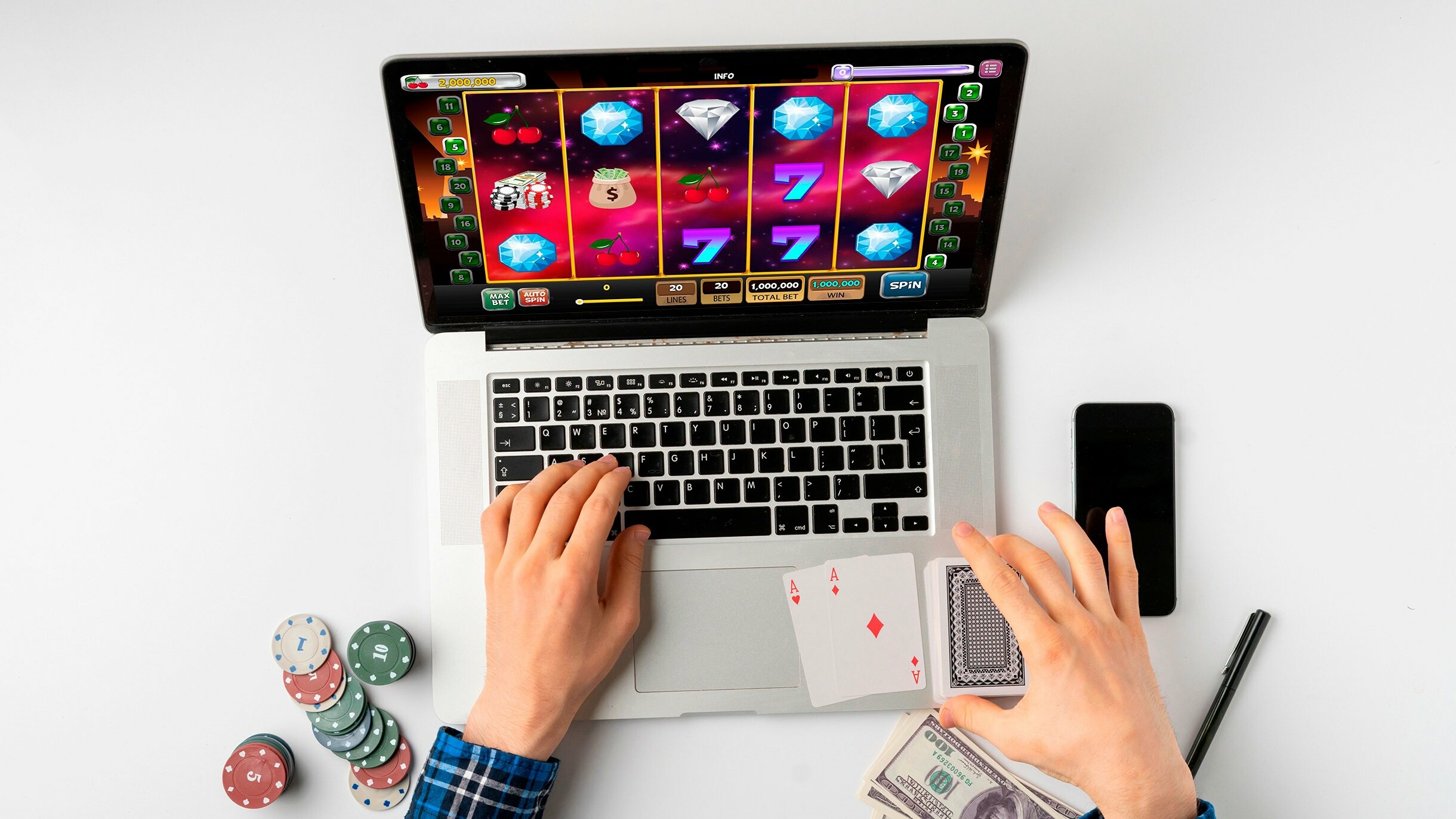
Insightful Resources for Understanding Gambling Behavior
For those looking to delve deeper into the complexities of gambling behavior, numerous resources provide insightful information and analysis. Various psychological studies and articles explore the cognitive and emotional factors that influence gambling. Academic research offers valuable perspectives on the impact of gambling on mental health, helping individuals understand the potential risks involved. Online forums and support groups can also provide a sense of community and connection for those struggling with gambling addiction.
Furthermore, many organizations focus on responsible gambling practices and education, offering tools and resources to promote healthier behaviors. By fostering awareness around the psychological aspects of gambling, these initiatives can empower individuals to make informed decisions and seek help when needed. Engaging with these resources can facilitate a greater understanding of one’s gambling patterns and encourage positive change.
Ultimately, recognizing the hidden psychology behind gambling behavior is the first step toward addressing it. By combining personal insights with academic research and community support, individuals can navigate the complexities of gambling more effectively. Gaining awareness of these psychological factors can lead to healthier habits and improved well-being.
